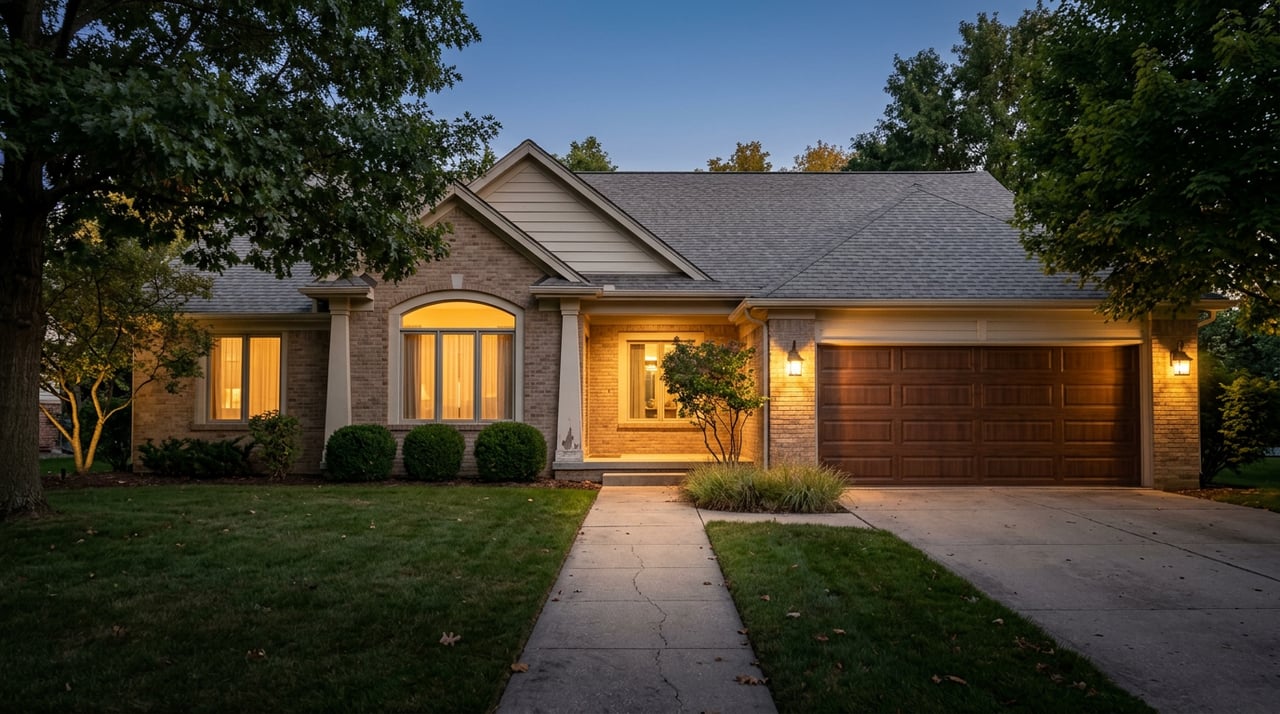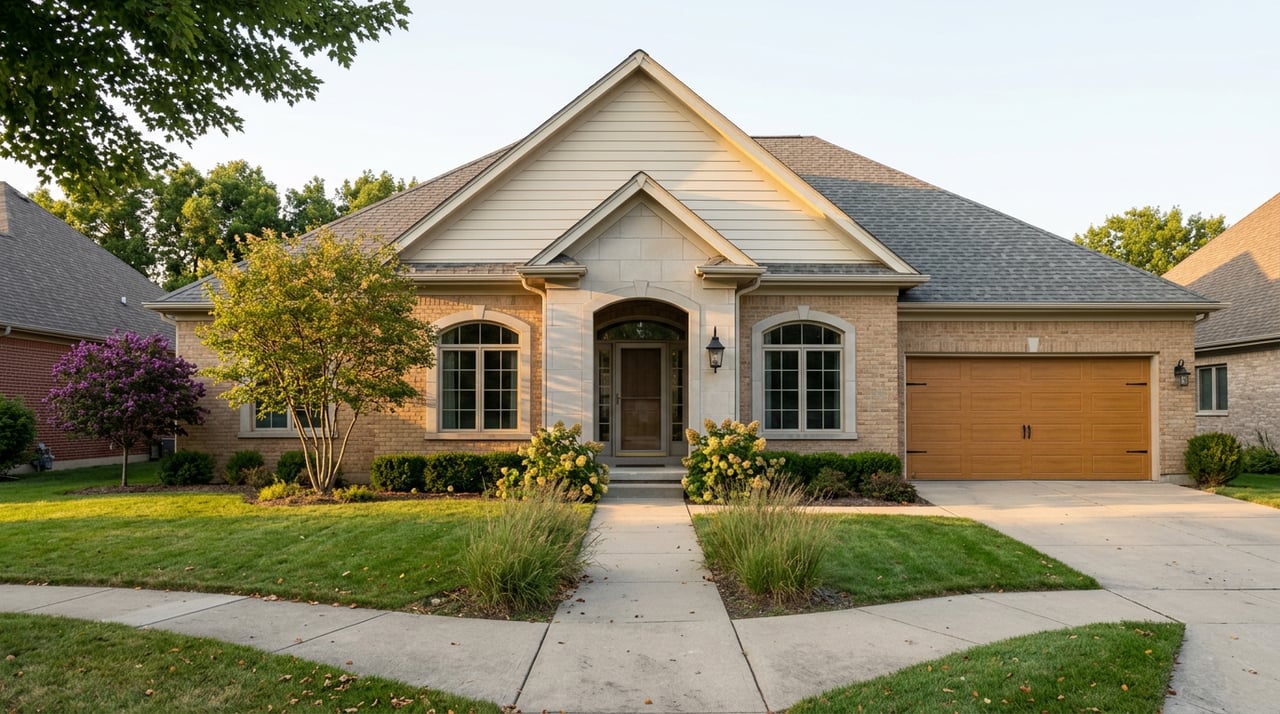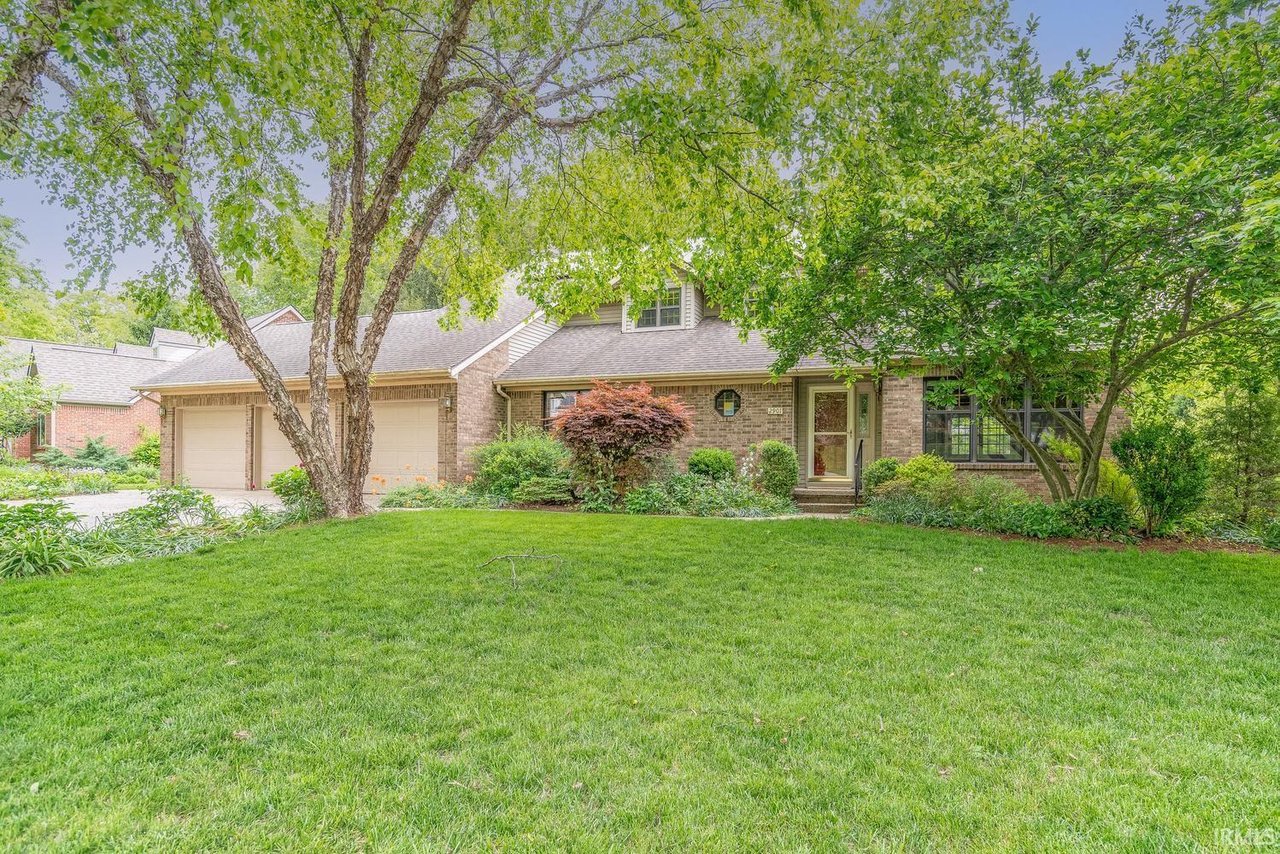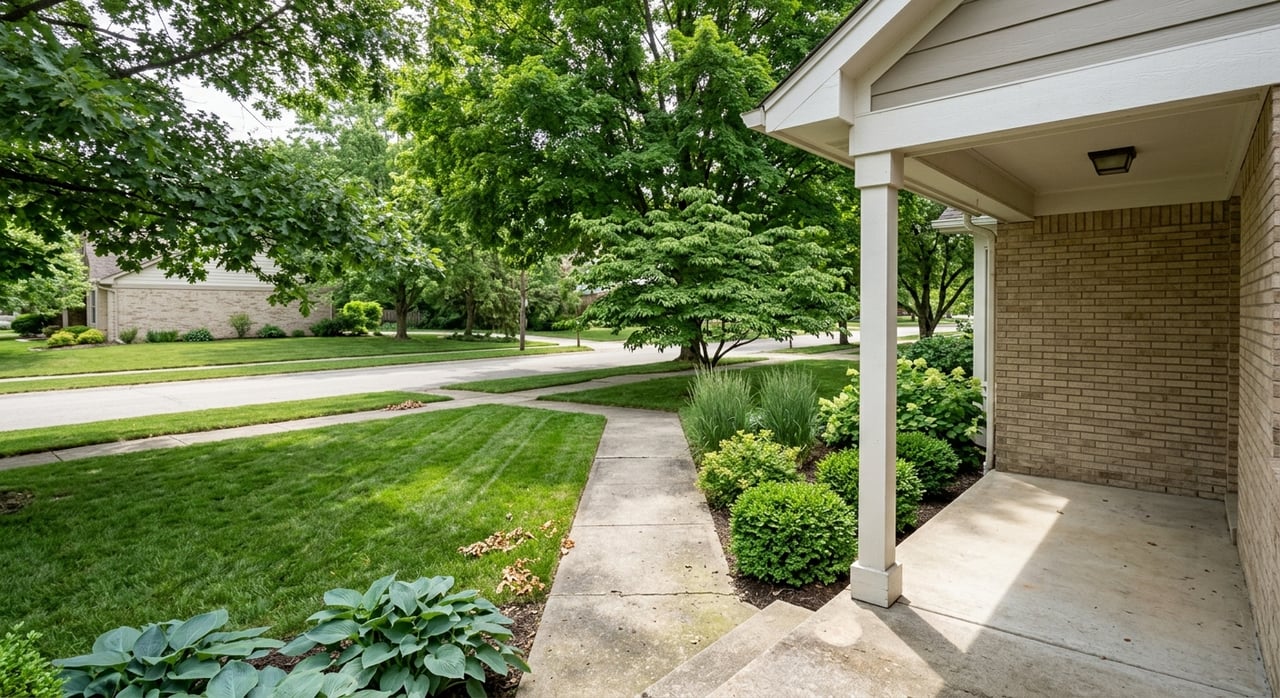
Wondering which Bloomington neighborhoods make daily trips to Indiana University feel simple instead of stressful? If you are relocating for a new role, helping a student settle nearby, or just want a home base with easier campus access, commute convenience can shape your whole experience. The good news is that Bloomington gives you more than one way to get to IU, from walkable streets to bus service, bike routes, and short off-peak drives. Let’s dive in.
Why IU commuting is different in Bloomington
A lot of college-town commute guides focus only on miles, but that is not the best way to think about getting to IU in Bloomington. Indiana University notes that parking near campus is limited, and construction can add delays, so a short route on paper does not always mean the easiest trip in real life.
Instead, the strongest neighborhoods for an easy IU commute usually offer a mix of walkability, bike access, city bus service, and manageable off-peak drive times. That matters whether you are heading to central campus, Wells Library, the Indiana Memorial Union, Kelley, or the medical area.
Bloomington also stands out because campus and city transit are closely connected. IU says its campus bus system serves all parts of campus, and Bloomington Transit says select routes are free for IU students, staff, and faculty, though routes 11, 12, and 14 still require a fare.
What makes a neighborhood commute-friendly
If your goal is a smoother routine, it helps to look beyond map distance. In Bloomington, the best commute setup often comes down to how many backup options you have when your day changes.
Look for neighborhoods that offer:
- Walkable or bikeable access to campus or downtown
- Nearby Bloomington Transit routes with campus-oriented stops
- Reasonable off-peak drive times to central campus
- Easy connections to the downtown grid and the B-Line trail
- Housing choices that fit your budget and lifestyle
Downtown Bloomington adds a major convenience factor here. Its grid layout is easy to navigate on foot, and it connects with city buses, campus buses, bike routes, and the 3.1-mile B-Line trail.
Best Bloomington neighborhoods for easy IU commutes
University Courts
If your top priority is being as close to IU as possible, University Courts is one of the strongest options in Bloomington. Estimated off-peak drive time to central campus is about 0 to 5 minutes, and many blocks are effectively walkable or bikeable.
The city describes University Courts as Bloomington’s most consistent and coherent residential historic district. Developed between 1910 and 1913, it was originally built to take advantage of its proximity to the university.
You will find a mix of single-family homes, duplexes, and small apartment buildings at a comfortable residential scale. For buyers who want a very short commute without a dorm-style setting, this area deserves a close look.
Why University Courts works well
- Very short off-peak drive to central campus
- Strong walk and bike potential
- Historic character with varied housing types
- Practical fit for faculty, staff, and others who want to stay close to IU
Elm Heights
Elm Heights is another standout for buyers who want a close-in location with strong neighborhood identity. Estimated off-peak drive time is about 3 to 7 minutes, and the neighborhood sits just south of Indiana University.
The city describes Elm Heights as Bloomington’s best example of an urban gridded business-class neighborhood from the 1920s. It also notes that the area contains the greatest concentration of architect-designed homes in Bloomington.
One reason Elm Heights works for many buyers is its flexible housing mix. Along with larger single-family homes, the area also includes smaller residences, duplexes, rooming houses, and apartment buildings, which can create more options for different budgets and space needs.
Why Elm Heights stands out
- Close campus access with short off-peak drive times
- Historic neighborhood feel with a gridded street pattern
- Useful access to campus, downtown, and the medical area
- Wider range of home types than some historic districts
Prospect Hill and Greater Prospect Hill
If you want historic architecture and easy access to Bloomington’s core, Prospect Hill and Greater Prospect Hill are worth considering. Estimated off-peak drive time to central campus is about 5 to 8 minutes.
Prospect Hill was Bloomington’s first local historic district. The area includes Queen Anne, Free Classic, and Period Revival homes, including some designed by Bloomington architect John Nichols.
Greater Prospect Hill expands the options nearby with more modest vernacular cottages and arts-and-crafts details. The city describes the broader district as focused on preserving neighborhood character while allowing reasonable updates, with an emphasis on flexibility.
Why buyers consider Prospect Hill
- Short drive or bike ride into downtown and campus areas
- Distinctive historic architecture
- Access to Bloomington’s urban core and amenities
- A mix of home styles and scales across the larger area
Near West Side and Fairview
Near West Side and Fairview make sense if you want an older neighborhood with strong access to downtown and a practical bike or bus fallback for IU. Estimated off-peak drive time is about 5 to 10 minutes.
The Near West Side Historic District contains Bloomington’s largest collection of vernacular buildings. Fairview, a smaller district within the larger Near West Side historic area, includes gabled-ell, Queen Anne, and American Four Square homes.
The city notes that the larger Near West Side developed because people wanted housing within walking distance of Bloomington’s industrial core. That long history of convenience still matters today if you want a central location that supports several commute options.
Why Near West Side and Fairview work
- Easy access to downtown Bloomington
- Short drive range to IU
- Good potential for biking and transit use
- Distinct older housing stock with local character
Garden Hill
Garden Hill can be a smart option if you want a central Bloomington location with a little more breathing room on commute pressure and price expectations. Estimated off-peak drive time to central campus is about 7 to 12 minutes.
The city describes Garden Hill as a modest near-northside neighborhood of about 10 city blocks. Housing includes cottages, bungalows, kit houses, and ranch-style homes.
Its proximity to IU and downtown helped attract a wide mix of residents over time. For buyers who want central access without paying for the very closest campus blocks, Garden Hill offers a useful middle ground.
Why Garden Hill is worth a look
- Still manageable off-peak commute to IU
- Near-northside location with access to downtown
- Modest neighborhood scale
- Housing styles that may appeal to buyers seeking value in a central area
How Bloomington Transit supports IU commutes
One of Bloomington’s biggest advantages is that you do not have to rely on your car every day. Bloomington Transit and IU transit services create multiple ways to reach key campus destinations.
Some useful routes to know include:
- Route 6: Campus Shuttle
- Route 9: IU Campus / Mall / Covenanter and Clarizz, serving Sample Gates, Wells Library, the Kelley School of Business, and other campus destinations
- Route 11: Connects Atlas Apartments, IU Stadium, Fee and 10th Street, the Indiana Memorial Union, and 7th and Walnut
- Route 12: Serves Rive, State and Hub Apartments, 10th and Woodlawn, Wells Library, the Music Arts Center, and the Law School
- Route 7: Connects South Walnut and Clear Creek with downtown and south-side destinations
- Routes 3 and 4: Serve east, west, and south-side areas with connections to campus-adjacent destinations
Route 6 and Route 9 run year-round with reduced service during IU breaks. Route 12 has weekday-only service, and IU riders should remember that routes 11, 12, and 14 are not fare-free.
Walkability, biking, and downtown access
In Bloomington, commute ease is often about flexibility. If you can walk to downtown, bike part of the way, hop on a shuttle, or choose a short drive on busy days, your routine becomes much easier to manage.
The downtown grid helps a lot with that. It is easy to navigate, and it links with city buses, campus buses, bike routes, and the B-Line trail, which stretches 3.1 miles through the city.
That kind of setup can make a slightly longer drive feel far less important. In many cases, a neighborhood that is 7 to 12 minutes from campus off-peak can still be very convenient if it fits the way you actually live day to day.
Choosing the right fit for your lifestyle
The best Bloomington neighborhood for an IU commute depends on what you want outside the drive itself. Some buyers want to walk or bike as often as possible, while others care more about home style, lot size, historic charm, or access to downtown amenities.
If you want the shortest possible commute, University Courts may rise to the top. If you want classic historic character and a close-in feel, Elm Heights and Prospect Hill may be better matches.
If your goal is central access with strong urban convenience, Near West Side and Fairview deserve attention. If you want a more modest near-central option, Garden Hill may offer the balance you need.
You may also want to think about everyday quality-of-life details nearby, like parks and recreation. Bryan Park, for example, includes paved trails, playgrounds, ballfields, tennis and basketball courts, fitness stations, and a pool, which adds another layer of convenience for many households.
A quick note on school boundaries
If school assignments are part of your home search, it is important to verify them by address. Monroe County Community School Corporation says attendance boundaries are address-specific, so it is best not to assume a neighborhood always feeds into one specific school.
That is especially helpful in close-in Bloomington neighborhoods where street-by-street differences can matter. If schools are part of your decision, checking the exact property address should be part of your process.
Finding the right IU-commute neighborhood is about more than shaving a few minutes off the drive. It is about choosing a part of Bloomington that supports your routine, fits your budget, and feels right for the way you want to live. If you want help comparing neighborhoods, commute patterns, and home options in Monroe County, Amanda Richardson can help you make a confident move.
FAQs
Which Bloomington neighborhood is closest to Indiana University?
- University Courts is one of the closest options, with estimated off-peak drive times of about 0 to 5 minutes and many blocks that are walkable or bikeable to campus.
Which Bloomington neighborhoods offer historic homes with easy IU access?
- Elm Heights, Prospect Hill, Greater Prospect Hill, Near West Side, Fairview, and University Courts all offer historic housing character along with relatively short off-peak commutes to IU.
What Bloomington Transit routes are useful for Indiana University commuters?
- Useful routes include Route 6, Route 9, Route 11, Route 12, Route 7, and Routes 3 and 4, with service to campus destinations such as Sample Gates, Wells Library, Kelley, the Indiana Memorial Union, the Music Arts Center, and the Law School.
Are Bloomington Transit buses free for Indiana University riders?
- Select Bloomington Transit routes are free for IU students, staff, and faculty, but routes 11, 12, and 14 still require a fare.
Is it better to judge an IU commute by mileage or travel options?
- In Bloomington, travel options usually matter more than mileage alone because parking near campus is limited and construction can affect travel times, so walkability, bike access, bus service, and off-peak drive time are often better measures.
How can you verify school boundaries for a Bloomington home near IU?
- MCCSC says school attendance is address-specific, so you should verify the school assignment for any specific home by using the district’s address lookup process.