If you want a home where coffee, dinner, campus events, and weekend errands are all within easier reach, living near downtown Bloomington deserves a close look. The area appeals to buyers who want less car dependence, more character, and quick access to the heart of the city. Below, you’ll get a practical guide to the walkable home options near downtown Bloomington, what daily life can look like, and which close-in neighborhoods may fit your goals best. Let’s dive in.
Why downtown Bloomington stands out
Downtown Bloomington is widely described by local tourism and university sources as the city’s most walkable district. In everyday terms, that means many of the places people actually use and enjoy are clustered together, especially around Kirkwood Avenue, The Square, and the B-Line Trail.
That walkability is a big reason buyers focus on this part of town. You are not just choosing a house here. You are choosing a lifestyle shaped by restaurants, local shops, arts venues, campus access, and a street network that supports getting around on foot.
IU also highlights Bloomington’s walkable downtown, diverse restaurant scene, arts and culture, and scenic outdoor access. For relocating buyers, especially those connected to Indiana University or other local employers, that mix can make the transition into Bloomington feel much easier.
What homes near downtown look like
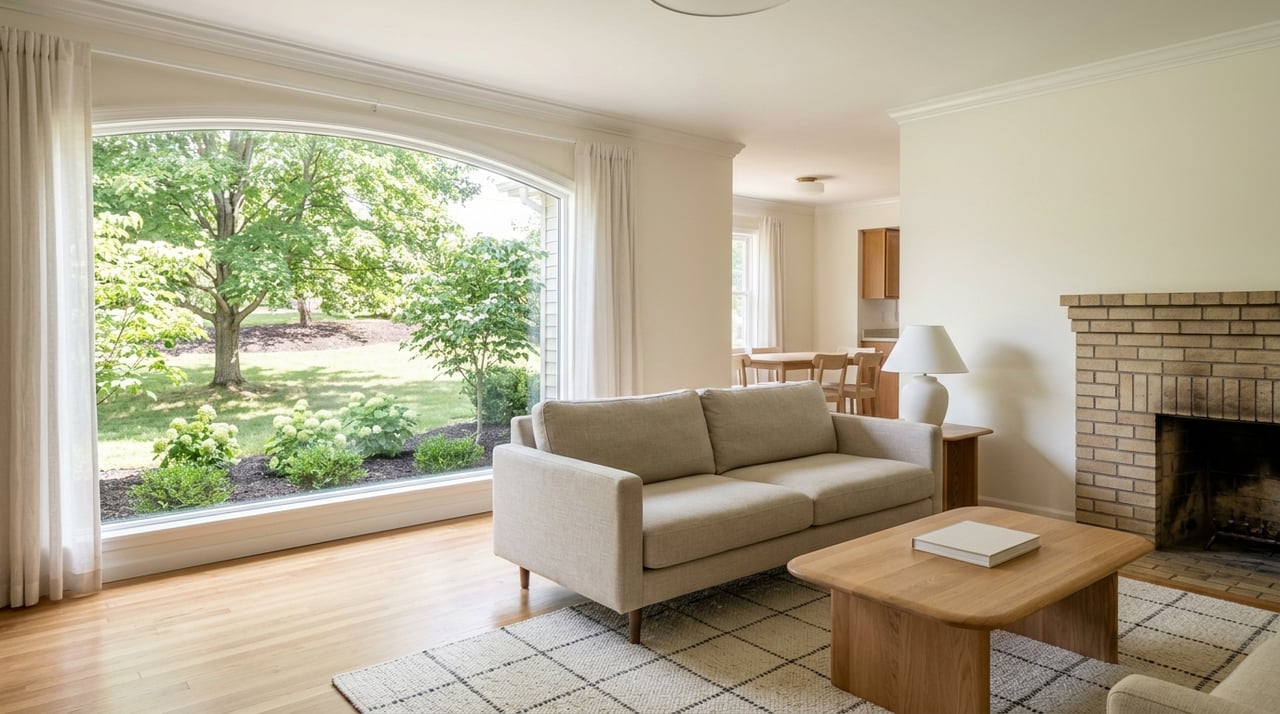
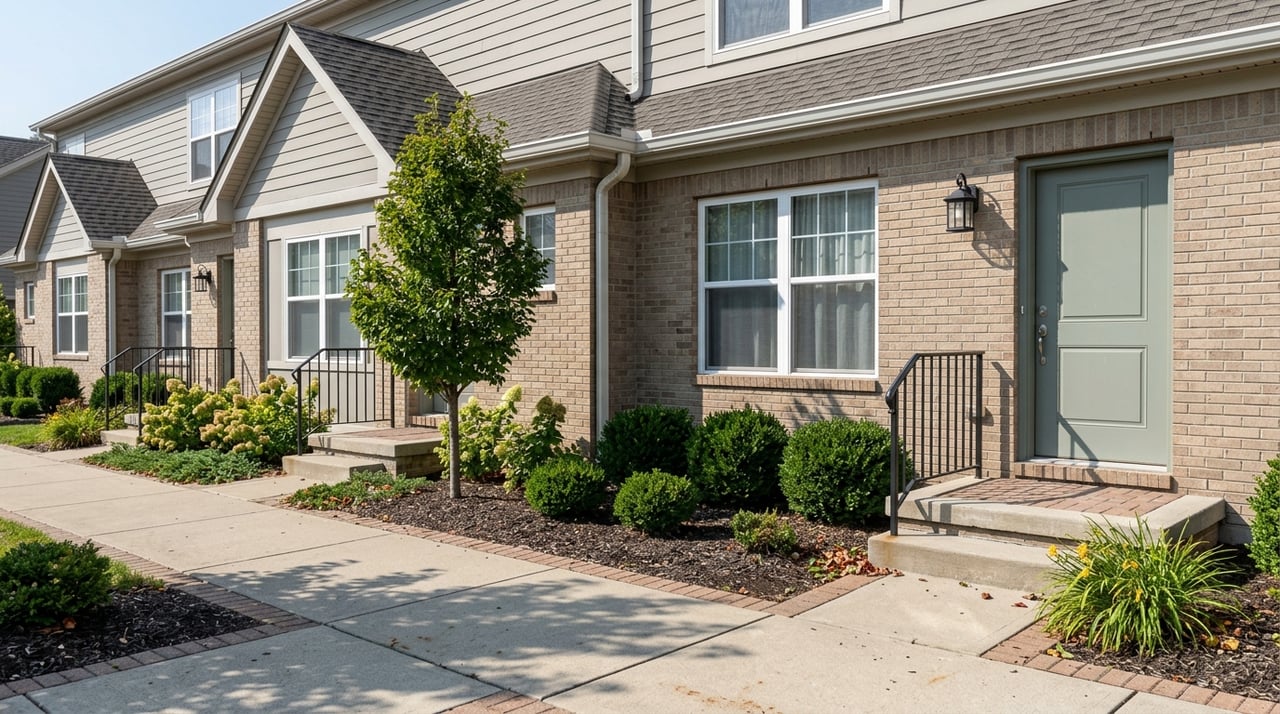
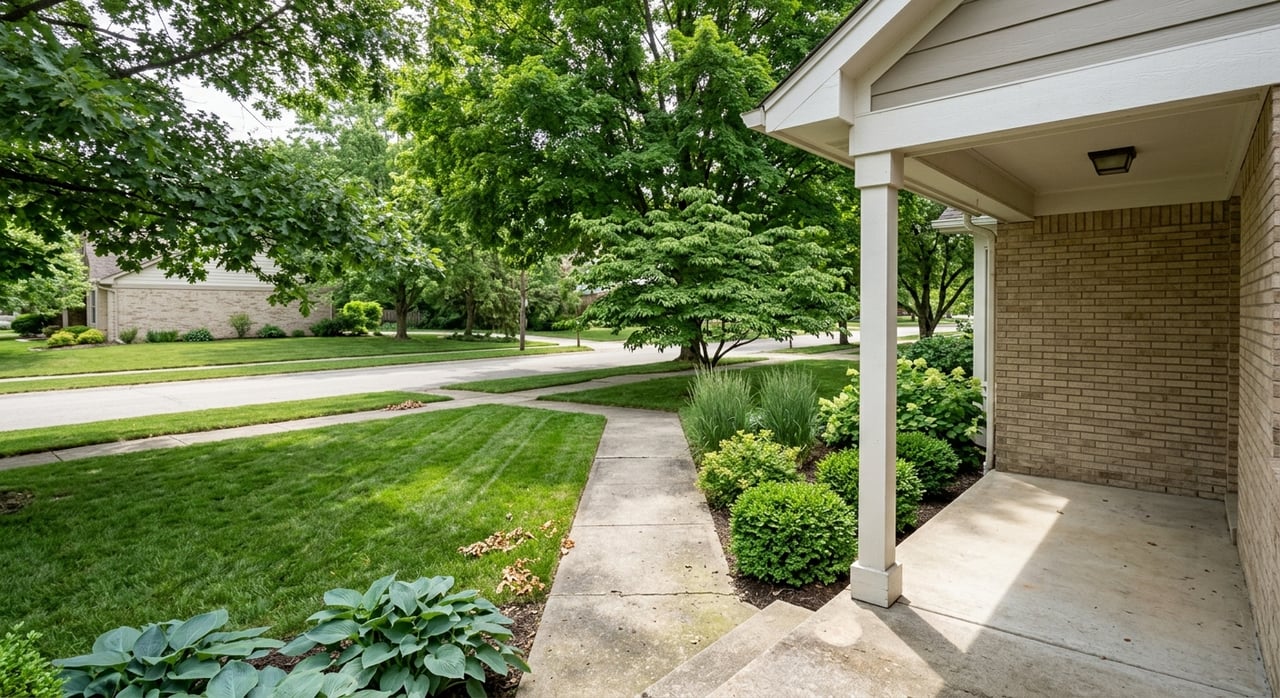
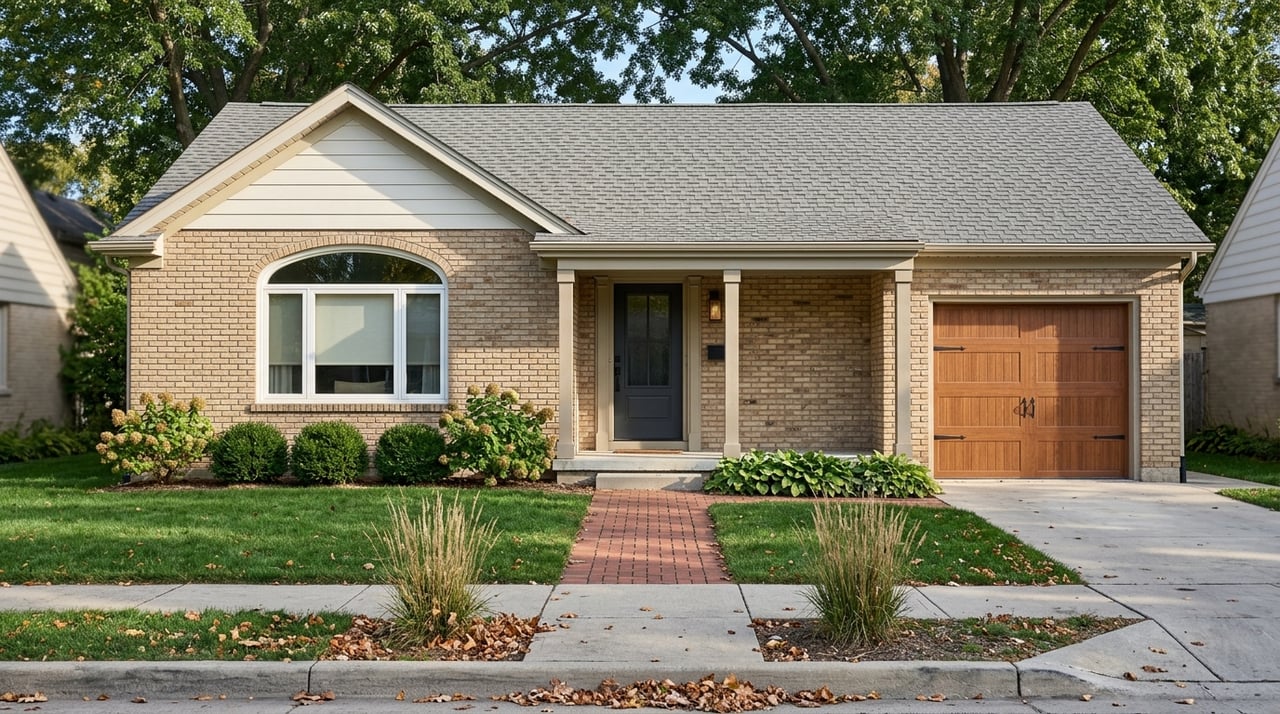
If you picture large newer subdivisions, the housing near downtown will feel very different. The close-in housing stock is mostly historic and mixed in form, with single-family homes, duplexes, cottages, bungalows, and small apartment buildings appearing in the same general areas.
That variety gives you more than one path into a walkable location. You may find a larger historic home, a smaller cottage with less upkeep, or a property that offers flexible living arrangements, depending on the area.
Many of the best-known close-in neighborhoods are also local historic districts. In these districts, the city reviews exterior alterations through the Certificate of Appropriateness process, so it is smart to understand that early if you are considering future updates.
Best neighborhoods for walkable access
Elm Heights
Elm Heights is one of the strongest options if you want a close-in neighborhood with character. The city describes it as a 1920s urban neighborhood south of IU with grand single-family homes, smaller houses, duplexes, rooming houses, and some apartment buildings.
It is also noted for having a very high concentration of architect-designed homes. If you love historic architecture and want to stay close to both downtown Bloomington and the university area, Elm Heights is often an obvious first stop.
University Courts
University Courts is another close-in district that stands out for buyers who want to be near IU and downtown. The city notes its brick streets and masonry walls, which give the area a distinctive physical identity.
The housing mix includes single-family homes alongside duplexes and small apartment buildings, with many structures built in brick and limestone in period-revival styles. For buyers who value historic materials and a compact, established setting, University Courts can be a strong match.
Prospect Hill
Prospect Hill was Bloomington’s first local historic district. The city describes it as a former upper-middle-class residential area with Queen Anne houses, bungalows, four-squares, and older cottages.
For you as a buyer, that means architectural variety and a strong historic feel close to the downtown core. If you want an older home with personality and want to stay near central Bloomington, Prospect Hill deserves attention.
Greater Prospect Hill
Greater Prospect Hill surrounds Prospect Hill and broadens the range of close-in options. The city’s stated goals for the area include preserving economic diversity, affordability, sustainability, and flexibility.
That makes it especially relevant if you want proximity to downtown but need a wider search than the most immediately central blocks. It can be a practical area to explore when you want historic context without limiting yourself to one narrow housing type.
Near West Side
Near West Side developed around the turn of the twentieth century as demand grew for housing within walking distance of Bloomington’s industrial center. Today, it offers a useful point of comparison for buyers who want a modest scale and a historic neighborhood feel.
The dominant house forms are smaller older cottages and other vernacular homes. If your goal is walkability with a simpler footprint and an older-home atmosphere, Near West Side may be one of the more approachable options to consider.
McDoel Gardens
McDoel Gardens reflects Bloomington’s industrial-era working-class housing stock. Neighborhood history emphasizes affordability, livability, and aging in place, with older small homes, bungalows, and kit homes shaping much of the housing character.
For buyers who want to stay close to downtown while exploring smaller historic homes, McDoel Gardens can widen the search in a useful way. It offers another path for people who value location and character over a more suburban layout.
Garden Hill
Garden Hill is a small near-northside district with cottages, bungalows, kit houses, and ranch-style homes. The city notes that prospective homeowners looking for affordable homes can find opportunity there.
It is more than a mile from downtown, so it is better viewed as a close-in option rather than an immediate downtown block location. If you are comfortable being a little farther out while staying relatively connected to the core, Garden Hill may be worth a look.
Maple Heights
Maple Heights is a west-side historic district whose edge is close to the B-Line Trail and several parks. That makes it a useful option if you want easier access to downtown without needing to be right next to it.
For some buyers, that slight shift away from the center can create more flexibility. If your priority is still a connected, close-in lifestyle, Maple Heights can help expand your search map.
How to think about your search
If your top priority is the shortest walk to IU and downtown Bloomington, Elm Heights and University Courts are often the clearest first places to explore. They sit closest to the campus-downtown rhythm many buyers want.
If you want to widen your choices, Prospect Hill, Greater Prospect Hill, Near West Side, and McDoel Gardens add more older west-side and south-side housing stock to the mix. These areas can be especially helpful if you value historic homes but want to compare different scales, styles, and settings.
Garden Hill and Maple Heights can make sense if you want to stay relatively close to downtown while looking for a slightly less central setting. For many buyers, the right answer is not the absolute closest address. It is the neighborhood that best balances walkability, home style, and day-to-day comfort.
Getting around without relying on a car
One of the biggest draws of living near downtown Bloomington is that you may not need to rely on your car for every trip. Visit Bloomington describes the city as bicycle and pedestrian friendly, and downtown is also supported by Bloomington Transit and IU campus buses.
Bloomington Transit’s downtown transit center is at North Walnut and East 3rd Street. Route 3 connects downtown with IU Health Hospital, IU campus, and College Mall, while Route 9 serves IU campus, the mall, Covenanter, and Clarizz.
That transit access matters because true walkable living is not only about sidewalks. It is also about having practical backup options for work, appointments, campus trips, and shopping when you do not want to drive.
What daily life feels like downtown
Walkable living works best when everyday destinations are close at hand. In downtown Bloomington, restaurants, bars, shops, and venues are concentrated on Kirkwood Avenue, The Square, 4th Street, and the B-Line corridor.
Official local sources also point to live music, stand-up comedy, theater, dance, museums, art galleries, and the Bloomington Entertainment and Arts District as key parts of downtown life. Notable arts anchors include Buskirk-Chumley Theater, WonderLab Museum, By Hand Gallery, and Constellation Stage & Screen.
In practical terms, downtown errands are available, though often in a more boutique format than a suburban commercial corridor. The Downtown Bloomington member directory includes banks, health and beauty services, lodging, real estate, and shopping, and Visit Bloomington lists World Foods Market as a downtown grocery option.
Another useful amenity is the Bloomington Community Farmers’ Market at Showers Common. Because it sits next to the B-Line Trail and within walking distance of many downtown shops and restaurants, it adds another layer of convenience for buyers who want a more pedestrian-friendly routine.
One key detail about historic districts
Before you buy near downtown, it helps to understand how local historic districts work. Several of the close-in neighborhoods discussed here are on Bloomington’s local historic district list.
That designation can help preserve neighborhood character, but it also means exterior alterations are reviewed through the city’s Certificate of Appropriateness process. If you already know you want to change windows, siding, roofing details, or other visible exterior elements, it is wise to factor that into your planning from the start.
Who this lifestyle fits best
Living near downtown Bloomington can be a great fit if you want to be close to IU, restaurants, arts venues, and established neighborhoods with older homes. It can also make sense if you are relocating and want a home base that helps you learn the city quickly.
This lifestyle may be especially appealing if you value charm, proximity, and flexibility more than a newer subdivision layout. The best fit often comes down to how you rank daily walkability, home age, lot size, and the possibility of historic district review.
If you are trying to sort through those tradeoffs, local guidance matters. A neighborhood that looks similar on a map can feel very different once you compare housing type, block pattern, trail access, and how easily you can reach the places you use most.
If you’re thinking about living near downtown Bloomington and want help narrowing down the right walkable area for your budget and lifestyle, Amanda Richardson can help you compare neighborhoods, tour options, and make a confident move.
FAQs
Which Bloomington neighborhoods are closest to downtown and IU?
- Elm Heights and University Courts are the most obvious first places to look if you want the shortest walk to downtown Bloomington and Indiana University.
Which near-downtown Bloomington neighborhoods offer smaller historic homes?
- Near West Side and McDoel Gardens are useful areas to explore if you want older cottages, bungalows, and other smaller historic homes near the downtown core.
Which close-in Bloomington neighborhoods may offer more affordability?
- Greater Prospect Hill, Garden Hill, and McDoel Gardens can help widen the search for buyers who want relatively close-in locations and more flexibility on price point or setting.
Do Bloomington historic districts have rules for exterior home changes?
- Yes. In Bloomington’s local historic districts, exterior alterations are reviewed through the city’s Certificate of Appropriateness process.
Is downtown Bloomington practical for daily errands without a car?
- Downtown Bloomington can cover some daily needs on foot, with restaurants, shops, services, a grocery option, the farmers’ market, and transit access concentrated near the core.
What public transit serves downtown Bloomington?
- Bloomington Transit serves downtown through its transit center at North Walnut and East 3rd Street, including Route 3 and Route 9, and IU campus buses also support getting around the area.