Dreaming about coffee on the deck, water views, and weekends that feel like a getaway? If you are considering lake living near Bloomington, you are probably also wondering how practical it is for everyday life, not just vacation days. The good news is that the Bloomington area offers a unique mix of recreation and convenience, but buying near the water comes with rules and responsibilities that are important to understand. Let’s dive in.
Why lake living works here
Lake living near Bloomington is not the same as owning a remote cabin far from town. Bloomington serves as the year-round hub for daily needs, with restaurants, live music, galleries, trails, and green spaces, along with 24-hour hospital care and a full range of outpatient and emergency services.
That matters if you want a home that feels peaceful without feeling isolated. Whether you plan to live there full time, split your time seasonally, or use it as a weekend retreat, being close to Bloomington makes grocery runs, appointments, and entertainment much easier.
Bloomington supports the lifestyle
One of the biggest advantages of buying near a lake in Monroe County is that you can enjoy a recreational setting while staying connected to city conveniences. Indiana University describes Bloomington as a walkable and welcoming college town in south-central Indiana, within a few hours of Indianapolis, Chicago, and Cincinnati.
For many buyers, that creates a practical balance. You can enjoy slower mornings near the water and still have access to dining, arts, university events, and healthcare when you need them.
Main lakes near Bloomington
The two lake settings most buyers focus on are Monroe Lake and Lake Lemon. Both offer access to the water, but they feel different in scale, management, and day-to-day use.
Because southern Indiana lakes are largely reservoirs, ownership often involves managed shorelines, changing water conditions, and formal rules. That means your experience may depend as much on access and regulations as on the home itself.
Monroe Lake overview
Monroe Lake is the region’s large recreation reservoir. The U.S. Army Corps of Engineers says it has 10,750 acres of water in summer and is about 20 miles south and east of Bloomington.
Indiana DNR lists boating, fishing, swimming, waterskiing, marinas, and camping among its amenities. If you picture a larger-scale lake environment with broad recreation options, Monroe Lake is often what comes to mind.
Monroe Lake ownership notes
Monroe Lake is managed by the Corps and Indiana DNR, and shoreline use is regulated through a shoreline management plan. Some adjacent landowners may apply for permits or licenses for docks, stairs or steps, pathways, and vegetation changes.
However, not every shoreline area allows the same improvements. Protected shoreline areas may prohibit docks and other fixed features, so buyers should confirm what is allowed for a specific property before moving forward.
Lake Lemon overview
Lake Lemon is smaller and closer to town. The Lake Lemon Conservancy District says it is about 10 miles northeast of Bloomington, was built in 1953, and includes 1,650 acres with 24 miles of shoreline.
It also serves as Bloomington’s backup water supply. For many buyers, Lake Lemon feels more tied to Bloomington’s daily rhythm while still offering a true lake setting.
Lake Lemon ownership notes
Lake Lemon is a public recreational water body with active management for sedimentation, water quality, aquatic vegetation control, shoreline erosion control, and wildlife. That tells you right away that stewardship plays a big role in ownership.
The lake also has clear day-to-day boating rules. The district publishes boating permits and costs, requires ramp fees for trailered boats, and limits wake-enhancing devices to a designated wake sports zone with minimum distance and depth requirements.
Monroe Lake vs. Lake Lemon
If you are deciding between the two, it helps to compare the basics side by side.
| Feature | Monroe Lake | Lake Lemon |
|---|---|---|
| Distance from Bloomington | About 20 miles south and east | About 10 miles northeast |
| Size | 10,750 acres in summer | 1,650 acres |
| Character | Larger regional recreation reservoir | Smaller, more district-managed lake |
| Oversight | U.S. Army Corps of Engineers and Indiana DNR | Lake Lemon Conservancy District |
| Key buyer focus | Shoreline permits and dock eligibility | District rules, permits, and boating regulations |
Neither option is automatically better. The right fit depends on how you plan to use the property and how comfortable you are with each lake’s rules and maintenance realities.
What buyers should look for
With lake homes, the details matter. A property can look ideal in photos and still raise important questions once you dig into water access, shoreline rights, and maintenance needs.
Before you buy, focus on how the property actually functions, not just how it looks from the road.
Ask about water access
Start with the basics. Is the home truly on the water, or is it near the water with indirect access?
That difference can shape how you use the property and how buyers may view it later if you decide to sell. A water view, a walkable path, and true shoreline frontage are not the same thing.
Confirm dock rights and permits
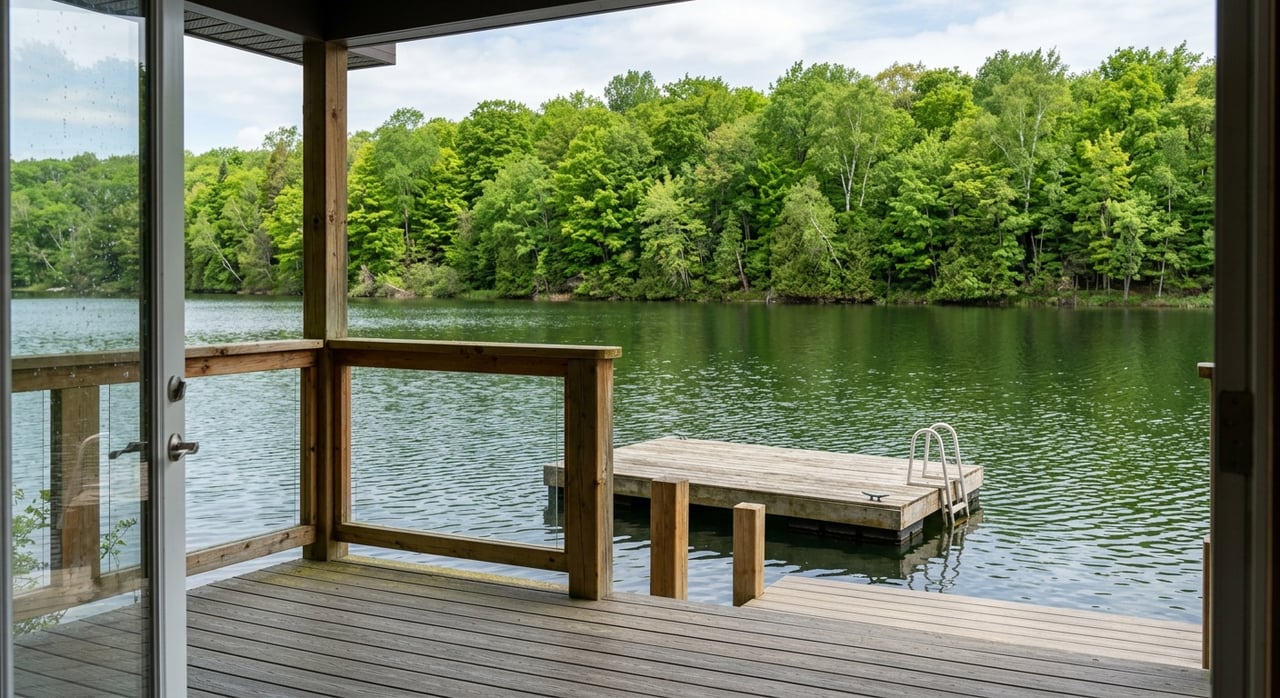
Dock rights are not automatic. Monroe Lake’s shoreline plan makes clear that docks and other improvements depend on zoning, permits, and shoreline classifications, and Lake Lemon also operates under district rules and boating permits.
This is one of the most important items to verify early. If a dock is part of your vision, make sure the property already has the needed rights or has realistic permit eligibility.
Review shoreline condition
A beautiful lot can still come with shoreline concerns. Erosion control, vegetation management, and the condition of any path, steps, or dock area can affect both enjoyment and upkeep.
At both Monroe Lake and Lake Lemon, shoreline features may be regulated. That means changes or repairs may require more planning than buyers expect.
Understand maintenance responsibilities
Lake ownership often includes seasonal considerations. Indiana DNR notes that blue-green algae alerts can occur on lake and reservoir systems, and it also identifies septic systems as a water-quality concern.
Lake Lemon’s sustainability efforts also highlight sedimentation and shoreline erosion as ongoing issues. In practical terms, buyers should expect to think about maintenance, water conditions, and property systems as part of regular ownership.
Is full-time lake living practical?
For many buyers, yes. One reason is simple: Bloomington is close enough to support daily life.
If you want a home that feels recreational but still works for year-round living, this area offers a strong setup. You can enjoy the setting of a reservoir home while relying on Bloomington for healthcare, dining, arts, and other everyday needs.
That can be especially appealing if you are retiring, buying a second home, or relocating to the area and want a quieter home base without giving up convenience. It is a hybrid lifestyle, and that is part of its appeal.
Who lake living may suit best
Lake homes near Bloomington can appeal to different kinds of buyers. The common thread is usually a desire for more lifestyle value from the property.
You may want to explore this market if you are looking for:
- A weekend home that feels like an easy escape
- A full-time home with water views and outdoor access
- A retirement move with recreation built into daily life
- A part-time residence close to Bloomington amenities
The right home depends on your goals. Some buyers prioritize boating and dock access, while others care more about privacy, wooded lots, or easy trips into town.
Why local guidance matters
Lake properties are not as simple as standard home searches. Access, shoreline rules, permits, and upkeep can all shape what ownership really looks like after closing.
That is why it helps to work with someone who understands Bloomington, Monroe County, and the nuances of recreational homes. When you ask the right questions before you buy, you are much more likely to end up with a property that fits your lifestyle and expectations.
If you are exploring lake living near Bloomington and want clear, local guidance, Amanda Richardson can help you compare options, understand the details, and move forward with confidence.
FAQs
How close is Lake Lemon to Bloomington for daily errands?
- Lake Lemon is about 10 miles northeast of Bloomington, which makes it the closer of the two main lake options discussed here.
How far is Monroe Lake from Bloomington for full-time living?
- Monroe Lake is about 20 miles south and east of Bloomington, and many buyers consider that close enough to use Bloomington for healthcare, groceries, dining, and entertainment.
Are dock rights automatic for lake homes near Bloomington?
- No. Dock rights and shoreline improvements may depend on permits, zoning, shoreline classifications, and lake-specific rules.
What makes lake ownership near Bloomington different from other home purchases?
- Many properties near Monroe Lake and Lake Lemon are shaped by managed shorelines, reservoir conditions, and formal rules about access and improvements.
What seasonal issues should buyers watch for at Bloomington-area lakes?
- Buyers should be aware of possible blue-green algae alerts, shoreline erosion, sedimentation, water-quality concerns, septic issues, and changing water conditions.
Is Bloomington lake living practical for year-round residents?
- Yes, many buyers find it practical because Bloomington offers city amenities, cultural attractions, and 24-hour hospital care close to the lake areas.