A bungalow in McDoel Gardens lists for $259,000 in late spring. Six weeks later it is still sitting there, price unchanged, the yard sign a little sun-faded. Three miles away in Bryan Park, a similar-sized house lists for $350,000, nearly a hundred thousand dollars more, and it is under contract before the seller has even finished the second open house. If you are shopping Bloomington by price alone, that sequence makes no sense. Cheaper should move faster. More buyers can afford it. Less should be riskier for a seller, not more.
It happens anyway, and it happens often enough that it is not a fluke of one listing photo or one bad inspection report. It is a pattern built into three specific pockets of this city, and understanding why changes how you should read every listing you look at here.
Three Bloomington Markets, Not One
Bloomington's citywide numbers, taken over the past twelve months, put the median sale price around $340,000, up about 6 percent year over year, with homes averaging roughly 65 days on the market before closing. That figure is useful as a starting point and almost useless as a prediction, because it blends together neighborhoods that behave nothing alike.
Here is what three of them actually look like, using the same trailing-twelve-month window:
Neighborhood | Median Sale Price | Average Days on Market |
|---|---|---|
McDoel Gardens | ~$265,000 | 41 days |
Bryan Park | ~$345,000 | 18 days |
Renwick | ~$665,000 | 77 days |
McDoel Gardens is the cheapest of the three and still takes more than twice as long to sell as Bryan Park, which costs $80,000 more at the median. Renwick, the priciest by a wide margin, takes the longest of all. Price and speed are not moving together here. Something else is doing the work.
The Bungalow That Waits Its Turn
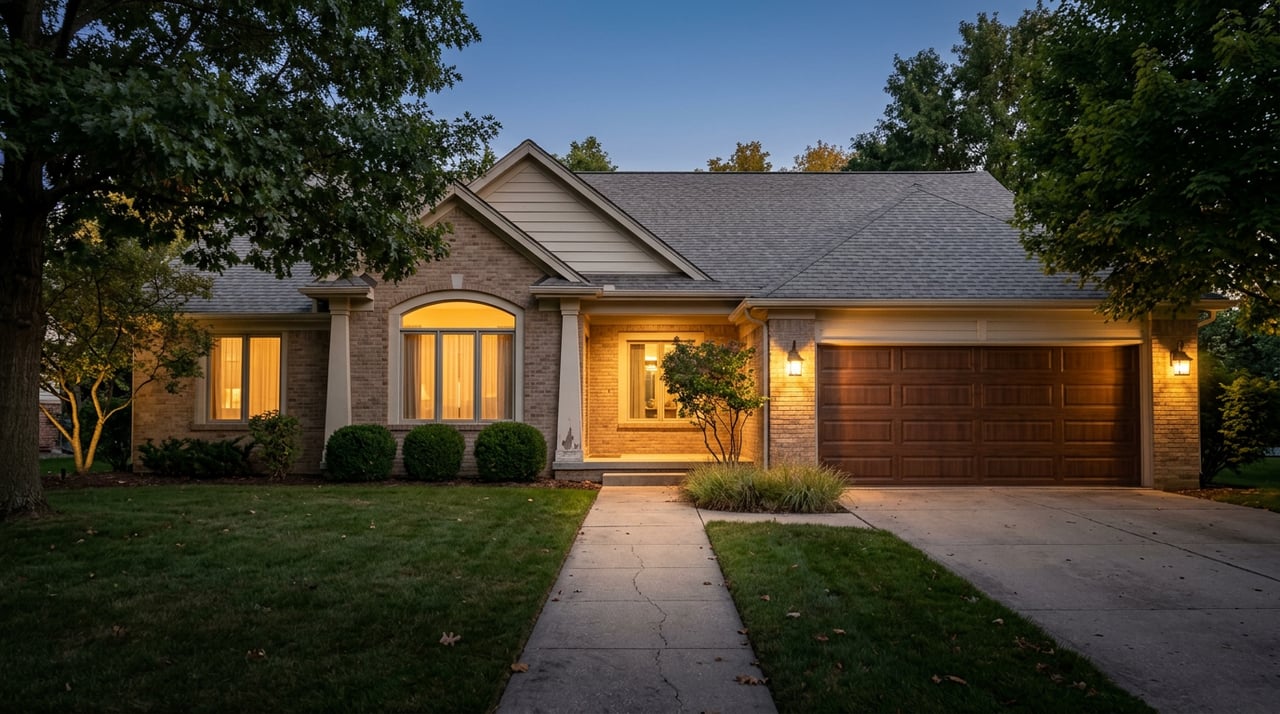
McDoel Gardens sits on the old Monon Railroad alignment on Bloomington's near south side, named for W.H. McDoel, who ran the Monon company in the early 1900s. The neighborhood grew up around the workers at the old RCA color television plant, once the largest factory of its kind anywhere, and the Craftsman bungalows those workers built still make up most of the housing stock. Many date to the 1900s through the 1920s, small on square footage, long on limestone porch columns and mature trees.
The draw is real. The B-Line Trail runs along the former rail bed and connects straight to Switchyard Park, the 65-acre park that opened in 2019 with a splash pad, a skate park, and a weekly Food Truck Friday through spring and fall. Hopscotch Coffee sits right in the neighborhood and stays full of students working through papers. None of that is the problem.
The friction is financing. Homes at this price point in Bloomington draw a heavier share of first-time buyers, and first-time buyers more often need FHA or conventional loans with tighter underwriting timelines, inspection contingencies they actually intend to use, and sometimes a seller willing to negotiate on repairs before closing. None of that is a red flag on any single house. It is just slower, structurally, than a cash-flexible buyer moving on instinct. Forty-one days is still faster than the national average of 47, so McDoel Gardens is not a sluggish market by any outside standard. It is only slow relative to the neighborhood three miles away that is turning over homes in a third of the time.
Why Bryan Park Doesn't Wait
Bryan Park is one of Bloomington's oldest core neighborhoods, named for the park at its center, which holds the city's largest public pool along with basketball and tennis courts and a walking path along Sheridan Creek. The century-old bungalows here line brick sidewalks under a heavy maple canopy, and the neighborhood sits close enough to downtown and Indiana University that Walnut and Henderson streets get you there in minutes. The Fourth Street Festival of Arts and Crafts, a tradition running nearly fifty years, and Pridefest both draw crowds within an easy walk.
That location does something to the buyer pool that McDoel Gardens' quieter charm does not. A Bryan Park broker with F.C. Tucker, Steve Smith, has noted the investment interest the neighborhood attracts, pointing to buyers converting properties into short-term rentals because of the park and the walk to campus. He put it simply: "I think it absolutely adds value."
Investors and cash-heavier buyers do not carry the same financing timeline as a first-time buyer. They know the neighborhood, they know what a house like this rents for, and they move on it the way you move on something you have already modeled in a spreadsheet. Add in downtown professionals and IU-adjacent buyers who have already decided this is the walkable, festival-close neighborhood they want, and you get a pool of buyers who show up ready to close, not ready to think it over. Eighteen days is not luck. It is a neighborhood where the deciding happened before the showing.
Renwick Takes Its Time for a Different Reason
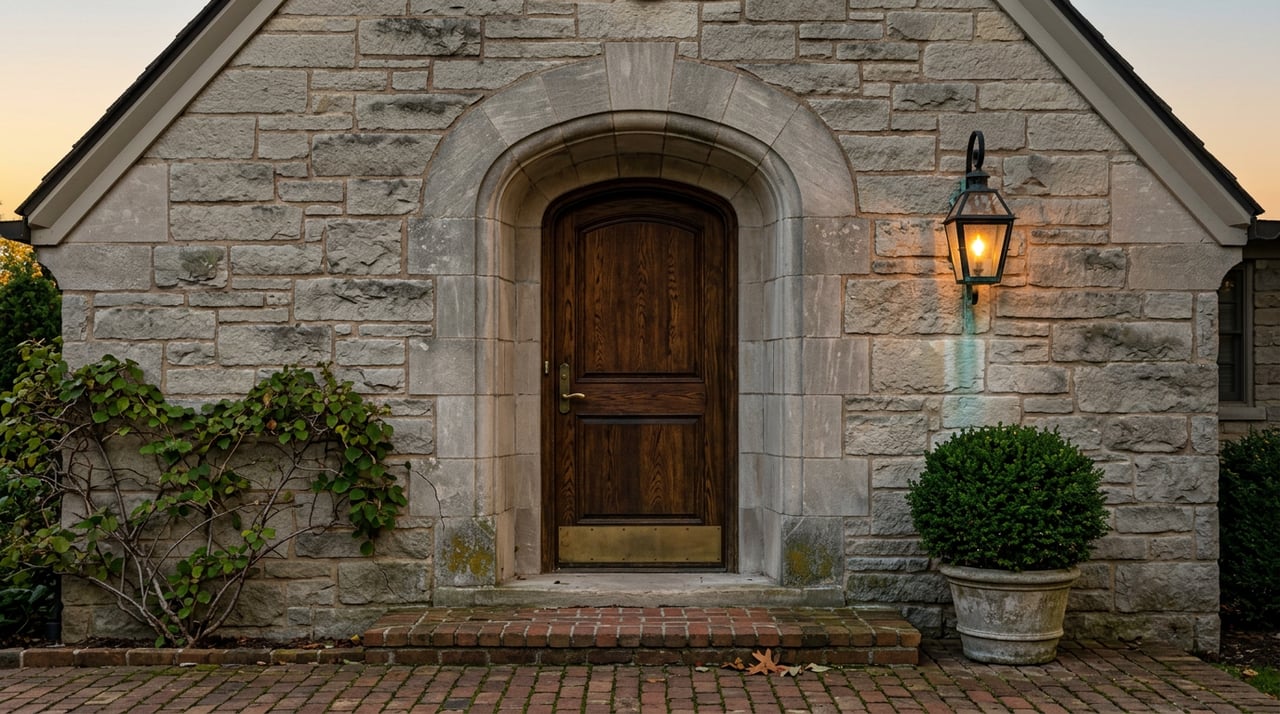
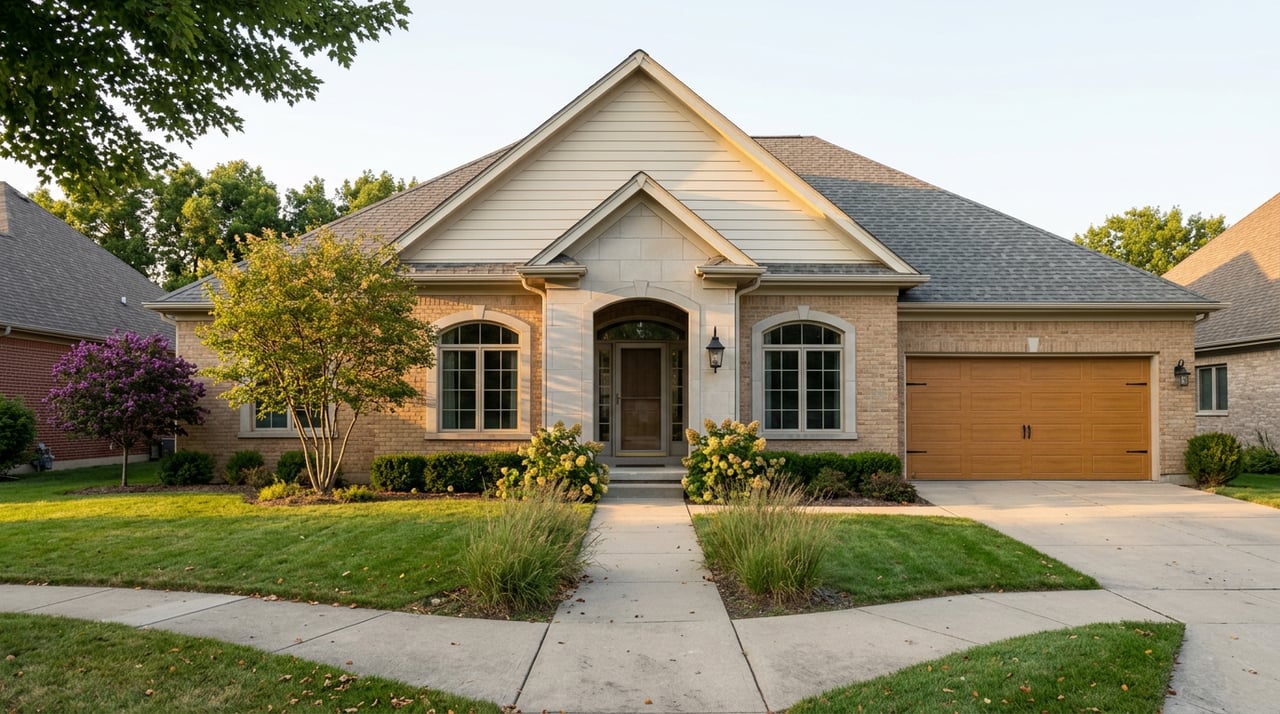
Renwick is the newest and priciest of the three, a planned neighborhood on Bloomington's southeast side built around paired villas and custom homes in Craftsman, Colonial, and Traditional styles, many finished in limestone with arched porticos. Residents walk the Renwick Trail through Southeast Park, stop at Cathcart Park's covered colonnade, and grab coffee at Crumble or dinner at C3 Craft Bar without leaving the neighborhood. It is close enough to College Mall for Bangkok Thai Cuisine or Truffles Fine Cuisine, and close enough to IU Health Bloomington Hospital and the State Road 45 bypass to make sense for the buyers who actually land here: relocating Indiana University employees and healthcare professionals moving for a new position.
That relocation pattern explains the 77 days better than anything about the houses themselves. A corporate or academic relocation rarely runs on the seller's calendar. Start dates get set months out, a spouse's job search adds its own timeline, and a house has to sell somewhere else first more often than not. The buyer pool at $665,000 is smaller to begin with, since fewer households qualify at that price, and the households that do qualify are frequently the ones with the least flexibility on when they can actually commit. None of that means something is wrong with a Renwick listing sitting at 60 or 70 days. It means the clock here was never going to look like Bryan Park's.
What This Actually Means for You
If you are comparing neighborhoods rather than price tiers, the days-on-market column matters more than most buyers realize, and it means something different in each of these three places.
- Shopping under $300,000 in a neighborhood like McDoel Gardens: expect a market that moves faster than the national average but slower than Bloomington's mid-range. Get preapproved before you start touring so financing isn't the reason you lose a house you actually want.
- Shopping the $300,000 to $400,000 range near downtown or campus, in a neighborhood like Bryan Park: expect competition that behaves like it already made up its mind. Come with financing in hand and be ready to write an offer the same week you see the house.
- Relocating for a job at IU or in healthcare and looking above $600,000 in a neighborhood like Renwick: build in a longer runway. Slower doesn't mean less desirable here. It means the buyer pool is smaller and more of them are juggling a move from somewhere else.
Statewide, Bloomington's average sale price ran around $325,000 through the first half of 2026, among the highest in Indiana alongside Indianapolis, according to a mid-year report from the Indiana Association of Realtors covered by InkFreeNews. That figure confirms Bloomington is a genuinely expensive market by Indiana standards. It still tells you nothing about whether the specific house you're watching will move in three weeks or three months. Only the neighborhood does that.
A Few Questions Worth Asking Directly
Does a lower price always mean less competition in Bloomington? No. McDoel Gardens is the cheapest of the three neighborhoods here and still moves slower than the pricier Bryan Park. Price and competition track buyer behavior, not the sticker on the sign.
Is 77 days a warning sign for a Renwick seller? Not on its own. It reflects a smaller, more relocation-driven buyer pool at that price point, not a problem with the house. Price history and condition tell you more than days on market alone.
Should I expect these patterns to hold indefinitely? Neighborhood dynamics shift with inventory, interest rates, and who is moving to Bloomington in a given year. Treat these figures as a read on the last twelve months, not a permanent rule.
Every one of these neighborhoods rewards a buyer or seller who understands the pool they are actually competing against, not just the number on the listing. That's the kind of read that only comes from watching this market closely, house by house, for a long time. If you're trying to figure out which pocket of Bloomington fits your timeline and your budget, Amanda Sells Indiana can walk you through it neighborhood by neighborhood. Schedule a free consultation and let's talk about where your search actually fits.