Buying your first home around Bloomington can feel exciting and a little overwhelming. You might be weighing commute time, comparing neighborhoods, and figuring out how much house you can afford. If Ellettsville and the nearby northwest side of Bloomington are on your list, you are in a great spot to find value, small‑town feel, and quick access to Indiana University. In this guide, you will learn what homes cost, where to look, how the buying process works, and which local programs can help. Let’s dive in.
Why Ellettsville works for first-time buyers
Ellettsville sits about 7 to 8 miles northwest of downtown Bloomington, which is roughly a 10 to 20 minute drive depending on traffic and route. The town offers a quieter, small‑town setting with quick access to campus, employers, and shopping in Bloomington. If you want space and value without being far from city amenities, this balance is appealing. You also get a strong community identity with everyday conveniences close by.
Most Ellettsville addresses fall within the Richland‑Bean Blossom Community School Corporation, known locally as Edgewood Schools. Families often review district information when comparing Ellettsville with Bloomington addresses. To learn more or contact the district directly, visit the Richland‑Bean Blossom Community School Corporation.
For quick place context, you can explore basic town information and services from the Town of Ellettsville. Drive times are approximate and vary by route and time of day.
What starter homes cost right now
Price data depends on the source, and each source measures the market differently. Recent snapshots show a town‑level median sale price for Ellettsville near 375,000 dollars in late 2025 from Redfin. Zillow’s typical value index (ZHVI) for Ellettsville is lower at about 265,000 dollars for the same period due to a different method. County and city medians published by Realtor.com place Monroe County around 350,000 dollars, with Bloomington near 354,950 dollars and Ellettsville listed close to 375,000 dollars in their tables. Medians change over time, so use these as a helpful range, not a guarantee.
For first‑time buyers, the key takeaway is this: you can still find smaller or older single‑family homes in the low‑to‑mid‑200,000s in Ellettsville, along with occasional fixer opportunities. Larger or newer homes will often list higher, sometimes into the mid‑300,000s and above. Inventory moves quickly, so your specific price range will depend on the month, property condition, and competition. If you want to browse what is available right now, the regional feed is a good starting point: check active listings on the IRMLS Ellettsville page.
Ellettsville and nearby areas to compare
Ellettsville property mix
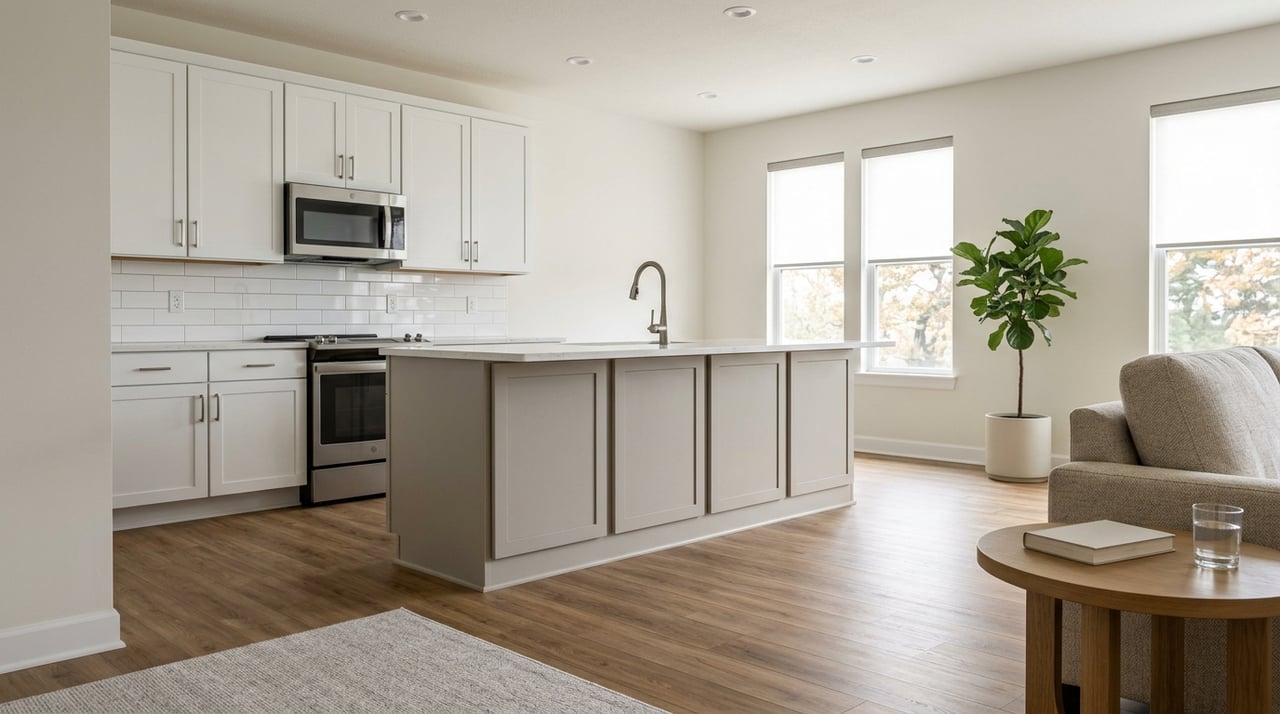
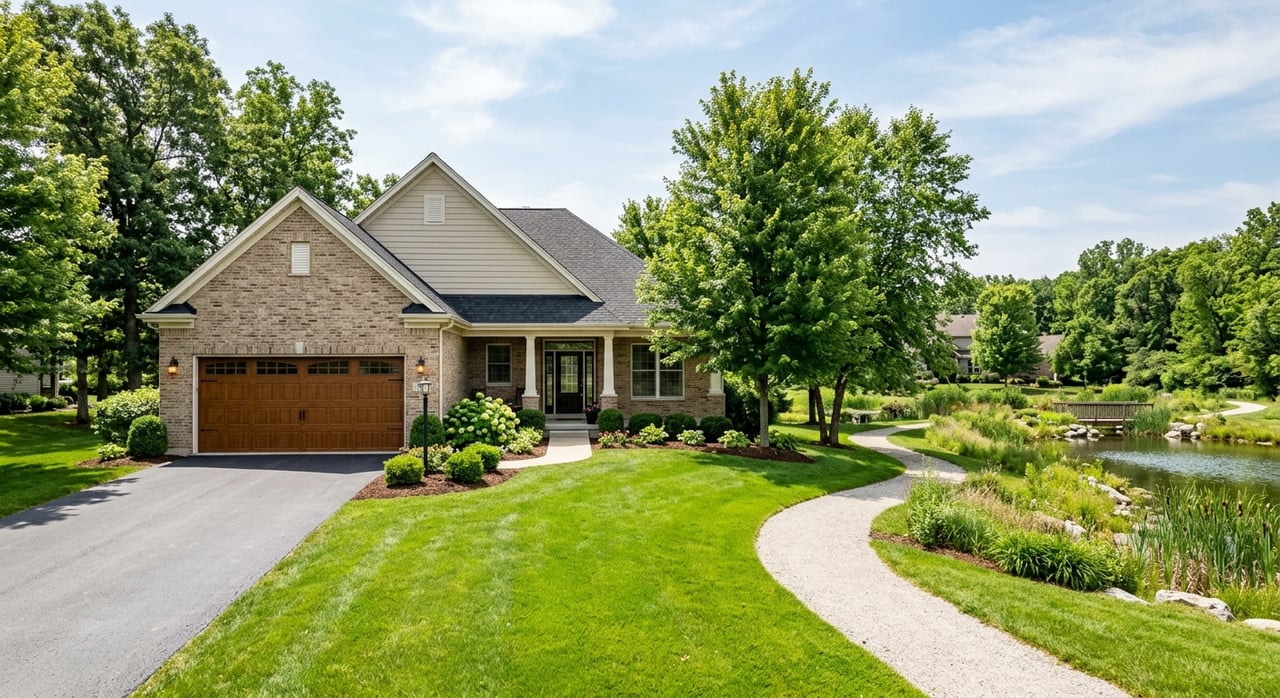
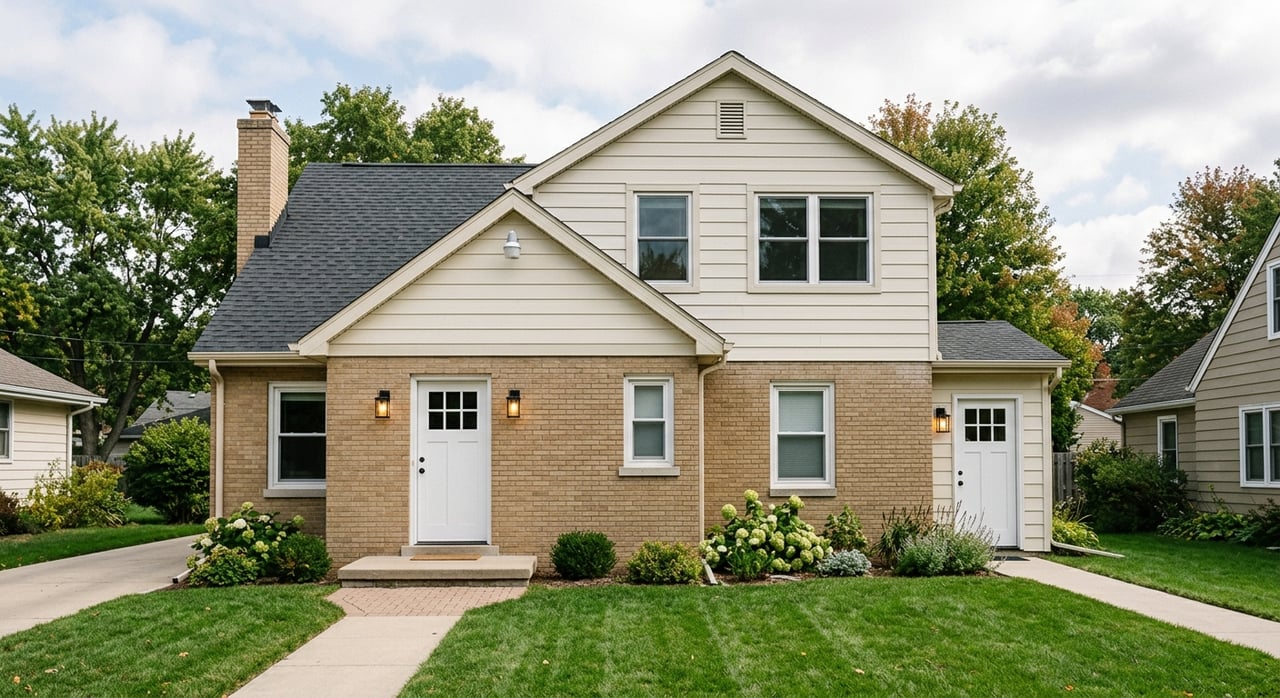
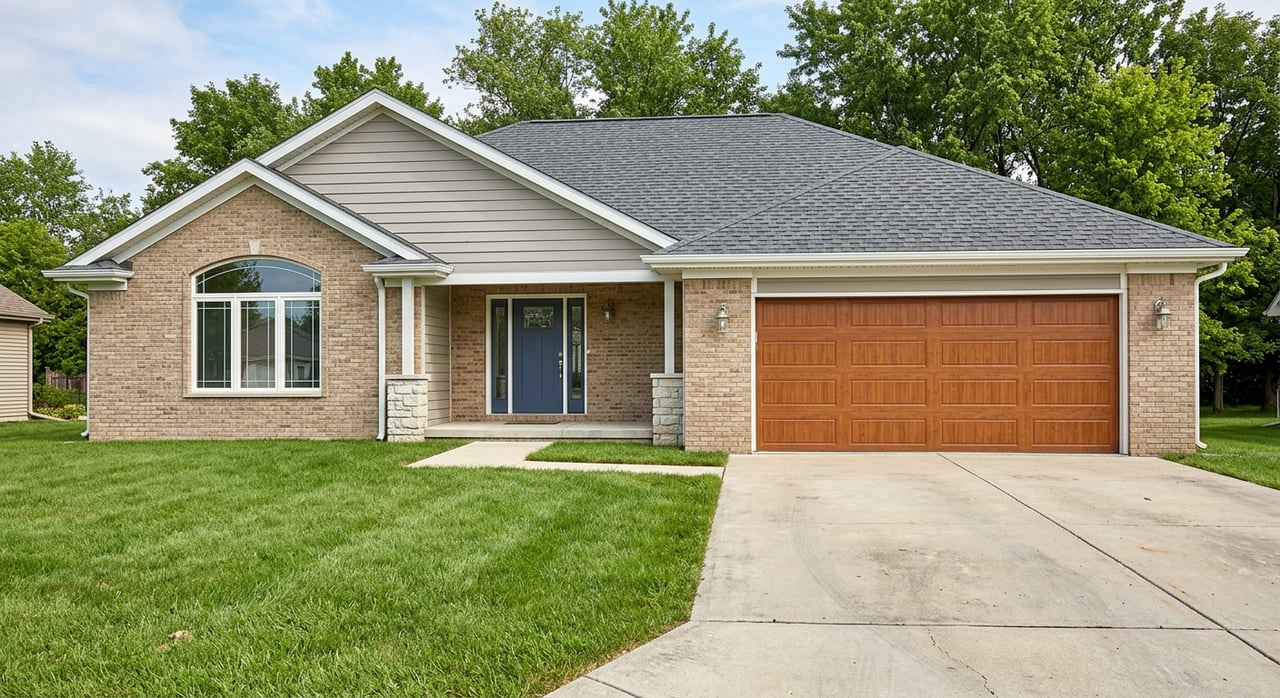
Ellettsville is mostly single‑family detached homes with a mix of one‑story ranches, 1970s–1990s two‑story houses, and newer infill or subdivision builds when land is available. You may also see some townhomes or condos in select pockets. Many streets offer manageable yards and practical layouts that fit first‑time buyer budgets and routines.
Properties within town limits often connect to municipal water and sewer, but some fringe areas may have private systems or larger lots. Always verify utility type and capacity during your due diligence and ask for recent utility bills if possible. For general background on the local utility, you can reference Ellettsville Water Works context.
Northwest Bloomington neighborhoods
When you compare Ellettsville to Bloomington, you will often look at northwest pockets like Fritz Terrace, Matlock Heights, Blue Ridge, and Northwood Estates. These areas vary by home age, lot size, and style. Some have older, smaller homes that can be more budget‑friendly. Others include larger footprints or more recent updates. Your shortlist will depend on budget, commute preferences, and how the home fits your day‑to‑day needs.
How the buying process works
Buying your first home follows a clear sequence. Here is the typical path in Monroe County and most of Indiana:
- Get pre‑approved. A lender reviews your income, credit, and debts to confirm a price range. The CFPB’s mortgage terms guide helps you understand documents and vocabulary.
- House‑hunt with a buyer agent. Tour homes that match your budget, commute, and must‑haves. New listings can appear and sell in days, so readiness matters.
- Make an offer. Your agent structures price, contingencies, and timeline based on market conditions.
- Inspection period. Order a general home inspection and any specialty tests your property may need.
- Appraisal and underwriting. The lender orders an appraisal and finalizes your loan.
- Clear‑to‑close. You receive a Closing Disclosure to review final terms and costs.
- Closing. You sign documents, fund your loan and down payment, then get the keys.
For clarity on inspections, appraisals, and key terms you will see in your paperwork, the CFPB’s resource library is a strong consumer reference.
Timeline and key costs
From loan application to closing, a typical mortgage‑backed purchase takes about 30 to 45 days. This can vary by loan type, appraisal timing, and how fast documents are submitted. For a quick explainer on closing phases and timing, see this overview of timelines from Rocket Mortgage.
In addition to your down payment, plan for closing costs. A common range is 2 to 5 percent of the purchase price, depending on your loan and local fees. You will receive a Loan Estimate early in the process that outlines these costs. Review that document closely and ask your lender to explain each line item. The CFPB’s definitions can help you translate any unfamiliar terms.
Loans and down payment help
First‑time buyers often use low‑down‑payment loan programs. Here is a simple primer:
- FHA: Popular low‑down option, commonly 3.5 percent down, with flexible credit standards.
- Conventional: Options as low as 3 percent down for qualifying buyers through programs like Fannie Mae HomeReady or Freddie Mac Home Possible.
- VA: 0 percent down for eligible veterans and active‑duty service members.
- USDA: 0 percent down on eligible rural properties with household income limits.
To learn definitions and compare basics, the CFPB’s mortgage glossary is a helpful starting point.
Indiana also offers state‑level assistance through the Indiana Housing & Community Development Authority (IHCDA):
- First Place: Down payment assistance up to 6.0 percent for many first‑time buyers, subject to income caps, purchase price limits, and required education.
- Next Home: Down payment assistance that is typically 2.5 to 3.5 percent depending on program variant and county rules.
These assistance funds are reserved through participating lenders and may have forgiveness or affordability periods. Program rules update periodically, so review current details and find a participating lender on the IHCDA homebuyer programs page.
If you plan to buy inside Bloomington city limits rather than Ellettsville, the City of Bloomington’s Housing & Neighborhood Development department (HAND) runs a Homebuyers Club and a Down Payment & Closing Cost Assistance program, which can sometimes be layered with other assistance. Explore options and class schedules on the Bloomington HAND assistance page.
Income‑qualified buyers may also consider Habitat for Humanity of Monroe County. Habitat’s homeownership program includes education and sweat‑equity requirements and opens enrollment windows periodically. Check current status and next steps on the Habitat for Humanity of Monroe County homeownership page.
What to inspect and verify
A general home inspection is standard and covers structure, roof, plumbing, electrical, and HVAC. In addition, Indiana buyers often add:
- Radon test
- Sewer scope for older lines
- Well water test if a property is on a private system
Your purchase agreement will include an inspection window. Use that time to complete tests and review findings. Depending on your contract, you can negotiate repairs or credits, or cancel if issues are significant. For plain‑language definitions of inspections and appraisals, see the CFPB’s guide.
If you are considering homes on the edge of town, confirm whether the property uses municipal water and sewer or private well and septic. Ask for recent utility bills and any maintenance records. You can also reference general utility context for Ellettsville via this overview of Ellettsville Water Works.
First-time buyer checklist
Use this quick list to stay organized as you move from renting to owning:
- Set a realistic budget and get pre‑approved before touring. Your pre‑approval clarifies price, down payment, and estimated monthly costs.
- Ask your lender about FHA, Conventional 3 percent down, VA, and USDA options. Compare monthly payments and total cash needed at closing using the Loan Estimate. The CFPB glossary helps you translate the terms.
- Reserve assistance early. Funds can be limited, so discuss IHCDA programs with a participating lender as soon as you are serious. Review current options on the IHCDA programs page.
- Consider city programs if buying in Bloomington. Explore HAND’s Homebuyers Club and down payment assistance on the HAND assistance page.
- Confirm utilities and systems. Ask whether a home is on municipal water and sewer or private well and septic, and request recent bills when available. For context, see the Ellettsville Water Works overview.
- Order a full inspection plus add‑ons as needed. Radon, sewer scope, or well water tests are common here. Learn why these steps matter in the CFPB resource.
- Monitor your timeline. A typical offer‑to‑close window is about 30 to 45 days. Get a feel for the process with this closing timeline explainer.
- Track medians but shop the actual inventory. Town and county medians change month by month. Use today’s listings to ground your expectations and be ready when a fit appears. You can scan active listings via IRMLS Ellettsville search.
Work with a local guide you can trust
Your first purchase is a financial move and a lifestyle decision. You deserve a calm, informed process with clear next steps at every turn. With two decades in Monroe County real estate and deep local ties, I help first‑time buyers weigh Ellettsville against nearby Bloomington pockets, understand school district boundaries, and move fast when the right home appears. You get solo‑agent attention paired with the technology and resources of a trusted brokerage.
If you want help comparing neighborhoods, mapping commute times, and stacking the best loan and assistance options for your budget, let’s talk. Schedule a friendly, no‑pressure consult with Amanda Richardson to get your plan in motion.
FAQs
What do first-time buyers typically pay in Ellettsville?
- Recent snapshots show a wide range, with entry‑level single‑family options commonly in the low‑to‑mid‑200,000s and town‑level medians reported higher by major data sources; prices shift with inventory and season.
How long is the drive from Ellettsville to IU Bloomington?
- Plan for roughly 10 to 20 minutes to downtown Bloomington depending on route and traffic, since Ellettsville sits about 7 to 8 miles northwest of town.
Which school district serves most of Ellettsville?
- Most addresses fall within the Richland‑Bean Blossom Community School Corporation; review neutral district information at the Edgewood Schools site.
Are there down payment programs in Monroe County?
- Yes; the state offers IHCDA programs like First Place and Next Home, and Bloomington HAND has city‑limit assistance and a Homebuyers Club; start with the IHCDA overview and HAND’s page.
How long does closing usually take for a first home?
- Most mortgage‑backed purchases in our area close in about 30 to 45 days from application, depending on appraisal scheduling and paperwork; see the closing timeline explainer.
What inspections are common for homes around Ellettsville?
- A general home inspection is standard, with frequent add‑ons like radon testing, sewer scopes for older lines, and well water tests on private systems; the CFPB guide explains why.
Can I use assistance if I buy in northwest Bloomington instead of Ellettsville?
- Often yes; IHCDA programs are statewide through participating lenders, and if you purchase inside Bloomington city limits you may also explore HAND assistance and education options.